The Science Behind Omega-3 and Heart Health

Heart health is one of the most well-researched benefits of Omega-3 fatty acids. Decades of clinical trials, population studies, and mechanistic lab data give us a vivid picture of how EPA and DHA touch every layer of cardiovascular wellbeing—from the electrical rhythm that coordinates each heartbeat to the microvascular networks nourishing your organs.
Chapter 1 · Omega-3 and the endothelial story
The endothelium, the single-cell-thick lining inside every artery and vein, is constantly adapting to blood flow, inflammatory signals, oxidative stress, and nutrient status. EPA integrates into endothelial cell membranes, increasing their fluidity and resilience. When membranes are flexible, nitric oxide production improves, vascular tone stays responsive, and blood pressure drifts toward the optimal range. This is not abstract biochemistry—patients who enrich their omega-3 status consistently display better flow-mediated dilation (FMD) scores, a direct measure of endothelial performance.
Historically, cardiologists relied on medications alone to intervene, but lifestyle-first practitioners now emphasize that membrane composition is a decision as much as salt intake or exercise. Two grams of combined EPA and DHA per day is enough to remodel those membranes over 8–12 weeks, a shift you can literally see in red blood cell Omega-3 Index testing. Once the endothelium calms down, downstream organs experience a steadier supply of oxygen and nutrients.
Chapter 2 · Triglycerides, lipoproteins, and metabolic calm
Elevated triglycerides are a hidden accelerant for cardiovascular events, especially when paired with insulin resistance. EPA acts as a signaling molecule in the liver, dialing down VLDL production and increasing beta oxidation—the burning of fatty acids for energy. With consistent intake, fasting triglycerides can drop 20–30%. That effect propagates to LDL and HDL particles as well: LDL becomes larger and less dense (meaning less likely to lodge in arterial walls), while HDL increases in number and efficiency at cholesterol transport.
Whereas pharmaceutical fibrates can cause muscle discomfort or liver enzyme changes, omega-3 supplementation works in harmony with your metabolism. It nudges your lipid profile toward balance without derailing day-to-day energy. Add a Mediterranean-style diet and regular movement, and the benefits stack. You are teaching your body to prefer fat as fuel while removing the friction that metabolically overloaded lifestyles create.
Chapter 3 · Anti-inflammatory mediators and plaque stability
Chronic inflammation is a key contributor to cardiovascular disease. Omega-3 fatty acids generate resolvins, protectins, and maresins—specialized pro-resolving mediators (SPMs) that tell the immune system when to stand down. This is crucial in arterial plaque stability. A calm immune system is less likely to attack the plaque, meaning less risk of rupture and clot formation. Clinical data show that individuals with higher EPA in circulation experience fewer sudden cardiac events even when traditional risk markers look “average.”
Imaging studies confirm this: arterial plaques become less inflamed and more fibrous (stable) after months of omega-3 therapy. For patients who already take statins, adding EPA and DHA is synergistic—statins affect cholesterol synthesis, while omega-3s optimize the inflammatory environment surrounding the plaque.
Chapter 4 · Practical dosing and lifestyle integration
For heart health benefits, most research suggests that 2000mg of combined EPA and DHA per day is an effective dose. That typically means one teaspoon of a high-potency liquid or 4–6 standard capsules. Because omega-3s integrate gradually into cell membranes, consistency beats mega-dosing. Pair your serving with a meal containing healthy fats, keep your bottle in a cool cupboard, and track your progress using an Omega-3 Index test every three months.
Remember, supplementation is most effective when combined with a lifestyle that includes regular exercise, a balanced diet, restorative sleep, and stress management. Omega-3s aren’t a magic bullet—they’re the biochemical foundation that helps every other habit deliver more dividends.
Chapter 5 · Personalized biomarkers and longevity planning
Sophisticated clinics now pair omega-3 therapy with biomarker panels that include hs-CRP, oxidized LDL, ApoB, homocysteine, and continuous blood pressure telemetry. When EPA and DHA climb, these downstream markers often course-correct without additional pharmaceuticals. The downstream takeaway is that compliance with your daily dose turns lab data into a living journal—you can literally watch the inflammatory load fall month over month.
Longer-term, cardiologists are leveraging omega-3 enrichment as a cornerstone for longevity plans that include sauna sessions, zone 2 conditioning, HRV monitoring, and stress inoculation protocols. Every layer reinforces the others: healthier membranes translate to lower autonomic strain, which makes restorative sleep easier, which in turn improves lipid handling. It is a flywheel.
Chapter 6 · Real-world rituals that keep dosing effortless
The most consistent BalanceOil+ customers pair their daily serving with anchor habits—pouring their teaspoon while the kettle boils, keeping a travel vial in their work bag, or logging doses inside a habit tracker. Some schedule quarterly Omega-3 Index tests with friends or family as a shared commitment to cardiovascular resilience. These rituals remove reliance on motivation and make heart health as habitual as brushing your teeth.
Chapter 7 · When to collaborate with your physician
If you are already taking anticoagulants, blood pressure medications, or lipid-lowering drugs, loop your healthcare provider into your omega-3 plans. They can stagger lab work, adjust dosages, and track hemodynamic shifts to ensure everything moves in the right direction. Many physicians now prescribe omega-3 therapy as a baseline intervention and appreciate patients who bring structured data—especially resting heart rate, home BP readings, and subjective energy journals.
Ready to experience these shifts yourself? BalanceOil+ delivers the research-backed dose in a single, citrus-smooth teaspoon, and it is ready to meet you at breakfast, post-workout, or whenever your day invites a moment of proactive care.
Related Posts
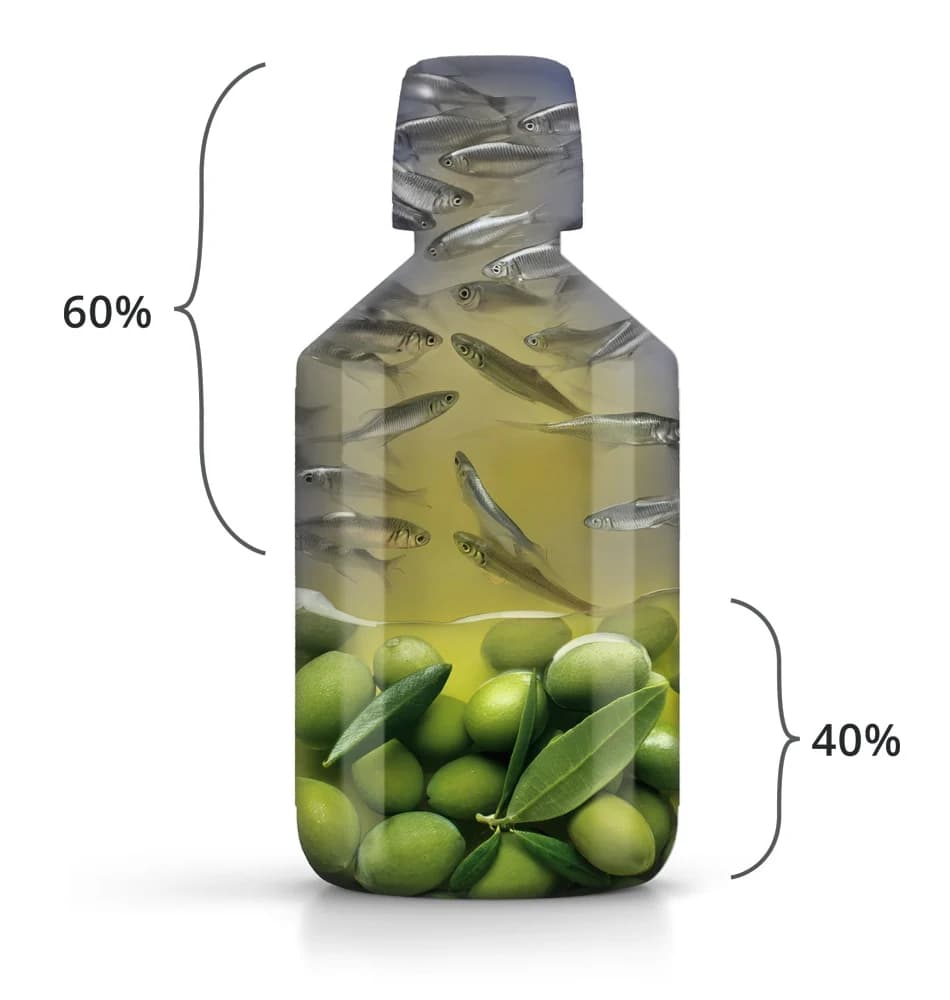
Balancing omega-3 and omega-6 intake calms systemic inflammation, improves lipid markers, and restores metabolic harmony.
Read more →
Brain fog, joint stiffness, reactive skin, and mood swings often signal low omega-3 reserves—here’s how to decode the clues.
Read more →
How Omega-3 Supports Brain Health and Cognitive Function
DHA-rich membranes keep neurons flexible, neurotransmitters responsive, and cognition resilient from childhood through healthy aging.
Read more →