Omega-3 vs. Omega-6: Understanding the Balance
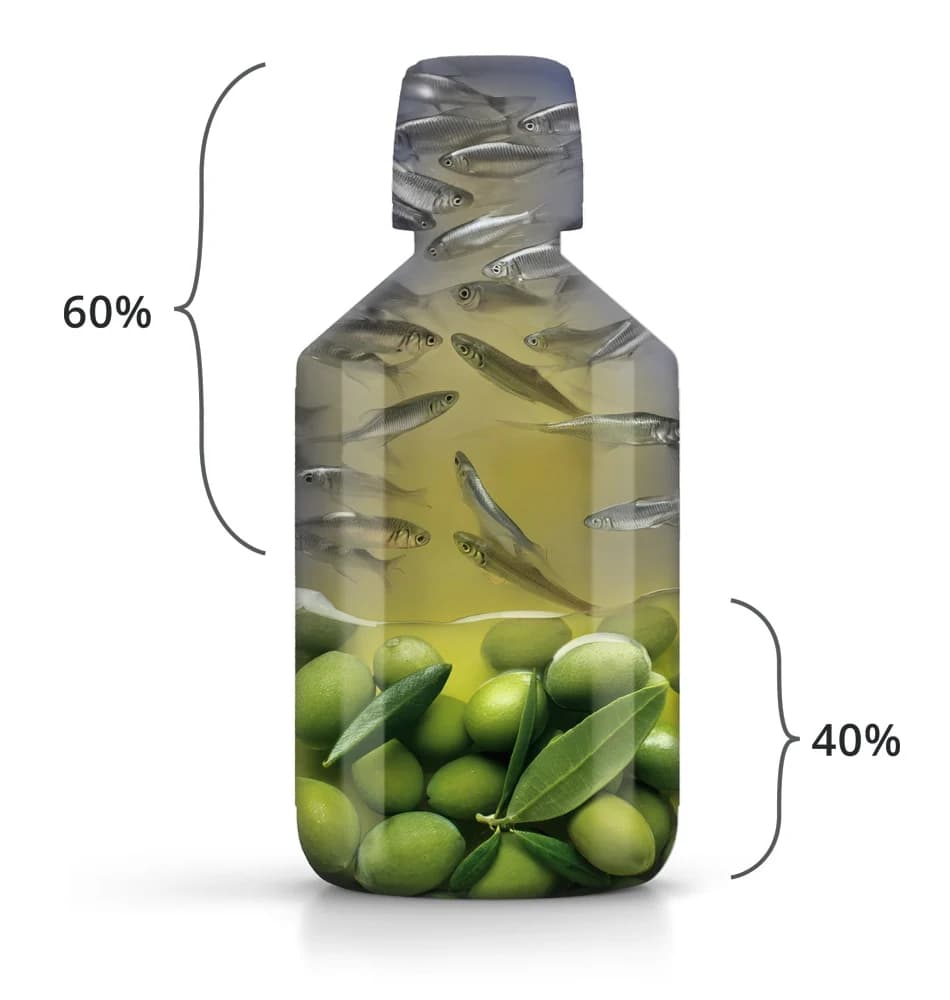
Both omega-3 and omega-6 fatty acids are essential, but the modern food environment has distorted how much of each we consume. Reclaiming a natural balance is one of the highest-leverage nutrition tweaks you can make for inflammation control, hormone harmony, and resilient energy.
Part I · A tale of two fatty acid families
Omega-3 and omega-6 are polyunsaturated fats that the body cannot synthesize, so they must arrive through diet or supplementation. They compete for the same enzymes to become longer-chain signaling molecules. When omega-6 crowds the pathway, pro-inflammatory compounds win the upper hand. When omega-3 is abundant, your body produces resolvins, protectins, and maresins that quiet the immune system after it has done its job.
Anthropologists estimate ancestral humans ate these fats in a near 1:1 ratio thanks to wild game, foraged nuts, and marine foods. Today, industrial seed oils—corn, soybean, safflower, cottonseed—push many people toward 15:1 or even 30:1. That imbalance quietly primes the immune system for overreaction.
Part II · How ratios shape real-world health markers
Researchers measure the AA:EPA ratio (arachidonic acid to eicosapentaenoic acid) inside red blood cells. A ratio above 18:1 correlates with higher rates of cardiovascular events, metabolic syndrome, and stubborn inflammatory skin conditions. Bring that number closer to 10:1 or lower, and you witness better joint comfort, clearer skin, steadier moods, and a noticeable drop in hs-CRP.
Athletes notice the difference on training logs. When omega-3 intake climbs, delayed-onset muscle soreness fades faster. Resting heart rate and HRV metrics often improve because the nervous system is no longer bathing in a pro-inflammatory soup. It is not just academic biochemistry—it changes how recoveries feel on a Tuesday morning.
Part III · Auditing your pantry and plate
Start by listing your primary cooking fats, packaged snacks, and restaurant habits. Most people uncover hidden omega-6 sources such as salad dressings, chips, crackers, or grab-and-go baked goods fried in cheap oils. Swap them for extra virgin olive oil, avocado oil, grass-fed butter, or ghee. Choose nuts that skew toward omega-3 (walnuts, macadamias) and rotate in seeds like chia and flax.
Next, intentionally add omega-3 heavy hitters—salmon, sardines, trout, mussels, pastured eggs, or a research-grade supplement like BalanceOil+. Even two intentional servings per week can shift your ratio if you simultaneously dial down the omega-6 inflow.
Part IV · Planning a four-week rebalancing sprint
- Week 1: Remove obvious seed oils from home cooking. Read every label in your pantry.
- Week 2: Add a consistent daily omega-3 supplement and log it alongside meals.
- Week 3: Focus on restaurant choices. Ask for olive oil, choose grilled over fried, and double vegetables.
- Week 4: Reassess subjective markers—skin, joints, cognitive clarity—and schedule an Omega-3 Index test.
This sprint mentality keeps the process playful and measurable. At the end you will have proof: your cravings calm, energy steadies, and inflammatory signals cool down.
Part V · Keeping the balance for life
Rebalancing once is helpful; maintaining the ratio for years is transformative. Build rituals like preparing a Sunday tray of roasted salmon, pre-mixing chia puddings, or setting a weekly reminder to restock BalanceOil+. Share progress with friends and family so communal meals trend toward anti-inflammatory fats. Balance is not about perfection—it is an ongoing conversation between your plate and your physiology.
Related Posts

Clinical-grade EPA and DHA remodel cardiovascular health from endothelial tone to triglyceride metabolism and plaque stability.
Read more →
Brain fog, joint stiffness, reactive skin, and mood swings often signal low omega-3 reserves—here’s how to decode the clues.
Read more →
How Omega-3 Supports Brain Health and Cognitive Function
DHA-rich membranes keep neurons flexible, neurotransmitters responsive, and cognition resilient from childhood through healthy aging.
Read more →