Choosing the Right Omega-3 Supplement: A Buyer's Guide
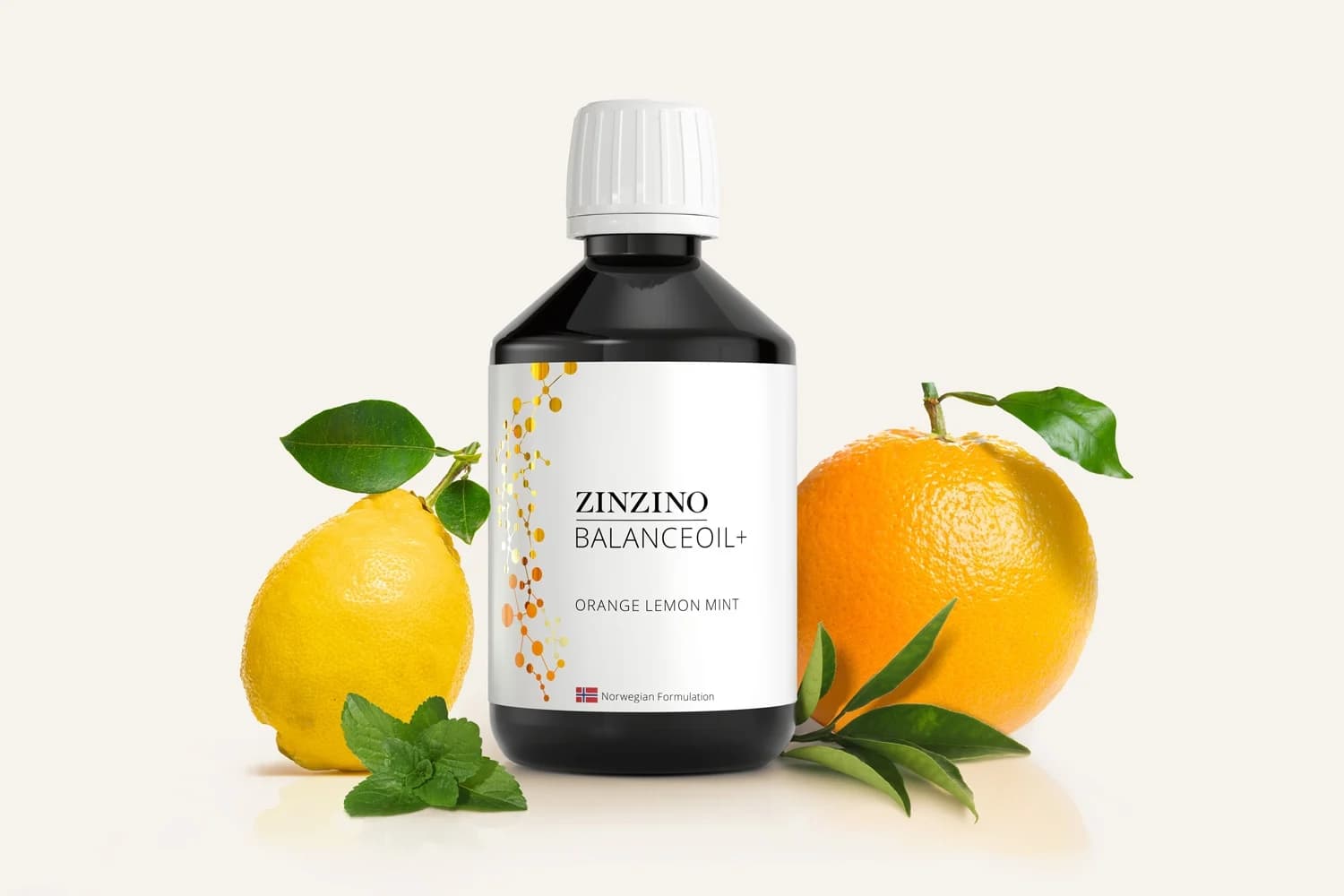
Walk into any health store and you will see dozens of omega-3 options shouting about purity, potency, or exotic harvesting techniques. The truth is simpler: great supplements share a handful of traits that guarantee you are getting therapeutic levels of EPA and DHA without unwanted fillers.
Factor 1 · Potency, clearly labeled
Ignore marketing language like “1000 mg fish oil” unless it specifies how much EPA and DHA are inside that gram. Therapeutic dosing typically requires at least 1000 mg combined EPA/DHA per serving, often closer to 2000 mg for targeted protocols. Reputable brands print a transparent fatty acid breakdown on every bottle.
Factor 2 · Purity and testing
Heavy metals, oxidation, and microplastics can hitch a ride on poorly processed oils. Look for IFOS, GOED, or NSF certifications. These third-party audits confirm low peroxide values (an oxidation marker), zero contaminants, and accurate potency claims. If the brand hides behind vague statements like “tested for quality,” move on.
Factor 3 · Form: liquid vs. capsule vs. triglyceride
Liquids (like BalanceOil+) make it easy to reach higher doses without swallowing handfuls of softgels. They also absorb quickly because the oil is already free. Softgels can be convenient for travel but often contain lower concentrations per unit. Additionally, natural triglyceride or re-esterified triglyceride forms tend to absorb better than ethyl ester forms, especially when taken with food.
Factor 4 · Flavor, freshness, and user experience
Fresh oil tastes clean and may have light natural flavoring (citrus, berry). Any aggressive fishy repeat means the oil oxidized—either on the shelf or during processing. BalanceOil+ uses nitrogen-flushed bottles and cold filtration to lock in freshness, so the experience is closer to a smooth culinary oil than a supplement chore.
Factor 5 · Sustainability and sourcing
Ethical harvesting matters. Seek brands that use Friend of the Sea or MSC-certified fisheries, prioritize small pelagic fish (anchovy, sardine), and publish traceability reports. A transparent supply chain protects both your health and marine ecosystems.
Putting it all together
- Read the supplemental facts panel before comparing prices.
- Confirm third-party testing and freshness data (peroxide and anisidine values).
- Decide on your preferred delivery method—liquid for ease, capsules for portability.
- Pair your choice with a consistent dosing ritual so the bottle never gathers dust.
When you simplify the noise to these criteria, the “best” omega-3 supplement becomes obvious: the one that gives you clinical potency, impeccable purity, and a flavor profile you actually enjoy. BalanceOil+ was formulated to hit all three, removing the guesswork from this crucial daily habit.
Related Posts

Clinical-grade EPA and DHA remodel cardiovascular health from endothelial tone to triglyceride metabolism and plaque stability.
Read more →
Balancing omega-3 and omega-6 intake calms systemic inflammation, improves lipid markers, and restores metabolic harmony.
Read more →
Brain fog, joint stiffness, reactive skin, and mood swings often signal low omega-3 reserves—here’s how to decode the clues.
Read more →